
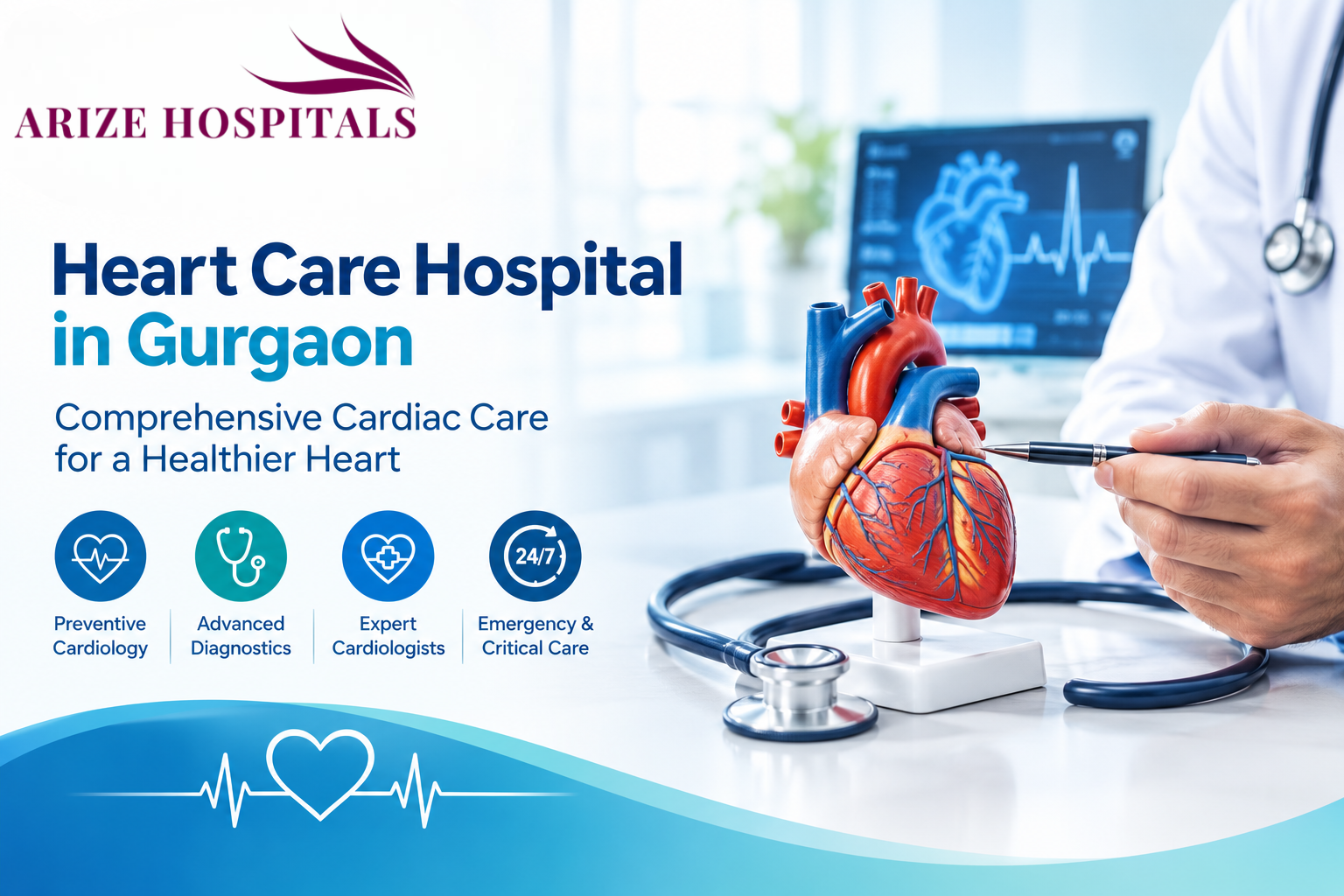
Heart health is an essential part of overall well-being. Cardiovascular diseases can affect people of different ages and may sometimes develop gradually without obvious symptoms. Conditions such as high blood pressure, coronary artery disease, heart failure, abnormal heart rhythms and other cardiovascular problems require timely medical evaluation and appropriate treatment.
For people living in Gurgaon and surrounding areas, access to reliable cardiac healthcare can make it easier to receive preventive care, diagnosis, treatment and follow-up. If you are searching for a Heart Care Hospital in Gurgaon? choosing a healthcare facility with experienced clinicians, cardiac diagnostic facilities, emergency support and multidisciplinary medical services can be an important consideration.
Arize Hospitals provides cardiology services that include preventive cardiology, cardiac risk assessment, ECG, echocardiography, heart failure management and emergency cardiac care. The hospital also provides 24×7 emergency and critical-care services.
What Is Cardiac Care?
Cardiac care includes the prevention, diagnosis, treatment and long-term management of conditions affecting the heart and circulatory system. It is not limited to treating heart disease after it develops. Preventive cardiac care focuses on identifying risk factors early and helping individuals manage them appropriately.
Common cardiovascular risk factors include:
- High blood pressure
- Diabetes
- High cholesterol
- Smoking or tobacco use
- Obesity
- Physical inactivity
- Unhealthy dietary habits
- Family history of cardiovascular disease
- Increasing age
- Chronic stress
Regular medical assessments can help identify certain risk factors and allow patients to discuss appropriate preventive measures with their healthcare professional.
Heart Care Hospital in Gurgaon, Arize Hospitals
A Heart Care Hospital in Gurgaon, can provide comprehensive medical support for patients experiencing symptoms that may be associated with cardiovascular disease as well as those who require regular monitoring.
A cardiac evaluation generally begins with understanding the patient’s symptoms and medical history. The doctor may then perform a physical examination and recommend investigations based on the individual’s condition.
Depending on the symptoms and clinical findings, cardiac evaluation may involve:
- Blood pressure assessment
- ECG
- Echocardiography
- Blood tests
- Cardiac risk assessment
- Additional imaging or investigations when clinically indicated
Arize Hospitals specifically lists preventive cardiology, cardiac risk assessment, ECG and echocardiography among its cardiology services.
Cardiac Care Centre in Gurgaon, Arize Hospitals
A Cardiac Care Centre in Gurgaon can be an important healthcare resource for people looking for specialised heart-related consultation and management.
Cardiac care may involve more than treating a single symptom. Doctors need to consider the patient’s overall cardiovascular health, medical history, lifestyle, existing conditions and risk factors.
For example, a patient with chest discomfort may require evaluation to determine whether the symptoms are related to the heart or another medical condition. Similarly, a person experiencing recurring palpitations may need assessment to understand whether an abnormal heart rhythm is involved.
Early evaluation can help doctors determine the appropriate next steps rather than relying on symptoms alone.
Heart Specialist in Gurgaon
Finding an experienced Heart Specialist in Gurgaon can be important when you have recurring symptoms, known cardiovascular disease or significant heart-related risk factors.
A heart specialist can review your medical history, evaluate symptoms and recommend appropriate diagnostic investigations. Depending on the findings, treatment may involve medication, lifestyle changes, regular monitoring or additional cardiac intervention.
Patients should provide their doctor with information about existing medications, previous illnesses, allergies, family history and lifestyle habits. This information can help the medical team develop a more appropriate care plan.
Arize Hospitals follows a multidisciplinary approach to healthcare and combines specialist services with diagnostics, critical care and emergency care under one healthcare system.
Common Heart Conditions
Heart disease covers a wide range of conditions. Some of the commonly encountered cardiovascular problems include:
Coronary Artery Disease
Coronary artery disease occurs when the blood vessels supplying the heart become narrowed or blocked. Reduced blood flow can cause chest discomfort and may increase the risk of a heart attack.
Heart Attack
A heart attack is a medical emergency that occurs when blood flow to part of the heart muscle becomes severely restricted or blocked. Prompt medical attention is essential.
Heart Failure
Heart failure occurs when the heart is unable to pump blood efficiently enough to meet the body’s needs. Symptoms can include breathlessness, tiredness and swelling of the feet or ankles.
Arize Hospitals includes heart failure management within its cardiology services.
Arrhythmia
An arrhythmia is an abnormal heart rhythm. Some rhythm abnormalities can cause palpitations, dizziness or fainting, while others may produce few noticeable symptoms.
High Blood Pressure
Hypertension is an important cardiovascular risk factor. Because high blood pressure may not cause obvious symptoms, regular blood pressure monitoring can be valuable.
High Cholesterol
High cholesterol can contribute to the development of plaque inside blood vessels and increase cardiovascular risk over time. Appropriate testing and management can help address this risk.
Warning Signs That Should Not Be Ignored
Some symptoms can indicate a potentially serious cardiac problem and should receive prompt medical attention.
These may include:
- Chest pain, pressure or tightness
- Pain or discomfort spreading to the arm, shoulder, back, neck or jaw
- Sudden or severe breathlessness
- Fainting or loss of consciousness
- Severe dizziness
- New or unexplained palpitations
- Unusual sweating accompanied by chest discomfort
- Sudden unexplained weakness or extreme fatigue
Symptoms can vary between individuals. Older adults and people with certain medical conditions may not always experience the classic symptoms associated with a heart attack.
If someone develops severe chest pain, significant breathing difficulty, loss of consciousness or other potentially life-threatening symptoms, emergency medical care should be sought immediately.
Importance of Preventive Cardiac Care
Preventive care can play an important role in maintaining heart health. Some cardiovascular risk factors are modifiable, meaning they can often be addressed through lifestyle changes and medical management.
Important preventive measures include:
Monitor Blood Pressure
High blood pressure may not cause noticeable symptoms. Regular monitoring can help identify elevated readings and allow appropriate medical advice.
Manage Cholesterol
Regular cholesterol testing can help identify elevated levels. Your doctor can recommend appropriate dietary, lifestyle or medical measures depending on your individual risk.
Control Diabetes
Diabetes can increase cardiovascular risk. Maintaining appropriate blood glucose levels through medical treatment, nutrition and physical activity is an important component of long-term health.
Stay Physically Active
Regular physical activity can support cardiovascular fitness, healthy weight and metabolic health. People with existing heart disease should discuss appropriate exercise with their healthcare professional.
Avoid Tobacco
Smoking and tobacco use can increase cardiovascular risk. Avoiding tobacco is an important step towards protecting heart health.
Follow a Balanced Diet
A balanced diet that includes vegetables, fruits, whole grains, appropriate protein sources and healthier fats can support cardiovascular health. Limiting excessive salt, added sugars and unhealthy fats may also be beneficial.
Cardiac Emergency Care in Gurgaon
Heart-related emergencies require rapid assessment and treatment. A hospital providing cardiac emergency care can help patients receive urgent medical evaluation when severe symptoms occur.
Arize Hospitals lists cardiac emergencies among its emergency and trauma services and provides 24×7 emergency support. Its emergency services include rapid stabilisation and ambulance support.
This integration of emergency, critical care and cardiology services can be particularly useful when a patient’s condition requires immediate assessment followed by close monitoring or specialist care.
Cardiac Diagnostics and Testing
Diagnostic testing is an important part of cardiac evaluation. Doctors select tests based on the patient’s symptoms, medical history and clinical examination.
Common cardiac investigations may include:
ECG
An electrocardiogram records the electrical activity of the heart and can provide information about heart rhythm and certain cardiac abnormalities.
Echocardiography
An echocardiogram uses ultrasound to create images of the heart. It can help doctors assess heart structure and function.
Blood Tests
Blood tests may be used to evaluate cholesterol, blood sugar and other parameters relevant to cardiovascular health. In emergency situations, doctors may recommend specific tests based on the symptoms.
Cardiac Risk Assessment
A cardiac risk assessment considers factors such as age, blood pressure, diabetes, cholesterol, smoking history, family history and other relevant factors.
Arize Hospitals includes ECG, echocardiography and cardiac risk assessment within its cardiology services.
Why Choose Arize Hospitals for Cardiac Care?
Arize Hospitals aims to provide quality, ethical and patient-centred healthcare through experienced clinicians, modern infrastructure, diagnostics and multidisciplinary medical services.
Its cardiology department focuses on preventive cardiology, cardiac risk assessment, ECG, echocardiography, heart failure management and emergency cardiac care.
The hospital also has critical care and emergency services, creating access to medical support when a patient’s cardiac condition requires closer monitoring or urgent treatment. Arize Hospitals states that its emergency and ICU services remain available 24×7.
When Should You Visit a Heart Specialist?
A cardiac consultation may be appropriate if you experience:
- Recurring chest discomfort
- Breathlessness without an obvious cause
- Frequent or unexplained palpitations
- Dizziness or fainting
- Unusual fatigue
- Swelling of the legs or ankles
- Persistently elevated blood pressure
- Known high cholesterol
- Diabetes with cardiovascular risk factors
- A strong family history of heart disease
You should not wait for symptoms to become severe before discussing persistent or recurring concerns with a healthcare professional.
How to Choose a Heart Care Hospital in Gurgaon?
When selecting a Heart Care Hospital in Gurgaon, consider the following:
Experienced Medical Professionals
Qualified specialists can evaluate symptoms and recommend appropriate investigations and treatment.
Cardiac Diagnostic Facilities
Access to ECG, echocardiography and other appropriate diagnostic services can support comprehensive cardiac evaluation.
Emergency Cardiac Care
Since cardiac emergencies can occur unexpectedly, access to emergency services is an important consideration.
Critical Care Support
Patients with severe cardiac conditions may require close monitoring and intensive care. A hospital with critical-care facilities can provide an additional level of support.
Multidisciplinary Healthcare
Heart patients may also have diabetes, kidney disease, hypertension or other conditions. Multispecialty care can help coordinate treatment when several medical issues are involved.
Preventive Care
A good cardiac-care approach should not focus only on treatment. Risk assessment, lifestyle guidance and long-term monitoring are also important.
Frequently Asked Questions
1. What services are provided by a Heart Care Hospital in Gurgaon?
A heart care hospital may provide preventive cardiac care, heart-risk assessment, ECG, echocardiography, heart failure management, specialist consultation and emergency cardiac care.
2. How can I find a Heart Specialist in Gurgaon?
Look for a qualified cardiac specialist with access to appropriate diagnostic facilities and emergency or multidisciplinary hospital support when required.
3. What does a Cardiac Care Centre in Gurgaon do?
A cardiac care centre provides assessment, diagnosis, treatment and follow-up for cardiovascular conditions, depending on the patient’s individual medical needs.
4. When should I consult a heart specialist?
Consult a doctor for persistent or recurring chest discomfort, unexplained breathlessness, palpitations, dizziness or other concerning symptoms. People with cardiovascular risk factors may also require regular evaluation.
5. Does Arize Hospitals provide cardiac emergency care?
Yes. Arize Hospitals lists cardiac emergency care among its emergency and trauma services and provides 24×7 emergency support.
6. What cardiac tests are available at Arize Hospitals?
Arize Hospitals lists ECG, echocardiography and cardiac risk assessment among its cardiology services.
7. Can preventive cardiology reduce heart disease risk?
Managing modifiable risk factors such as high blood pressure, diabetes, cholesterol, tobacco use, physical inactivity and unhealthy dietary habits can help reduce cardiovascular risk.
Heart health requires attention at every stage of life. Regular risk assessment, preventive care, timely diagnosis and appropriate treatment can all contribute to better cardiovascular health.
If you are searching for a Heart Care Hospital in Gurgaon, a Cardiac Care Centre in Gurgaon or a Heart Specialist in Gurgaon, look for comprehensive cardiac services supported by appropriate diagnostics, emergency care and multidisciplinary medical expertise.
Arize Hospitals provides cardiology services including preventive cardiology, cardiac risk assessment, ECG, echocardiography, heart failure management and emergency cardiac care. Its wider healthcare system also includes 24×7 emergency and critical-care services.
For severe chest pain, sudden breathlessness, fainting or other potentially life-threatening symptoms, seek emergency medical attention immediately rather than delaying care.